

In today’s fast-paced professional world, building meaningful connections is more important than ever. Whether you’re a start-up founder, a freelancer, or part of a larger organisation, networking events provide valuable opportunities to meet like-minded people and grow your reach. From relaxed industry mixers to structured corporate gatherings, these events play a vital role in fostering collaboration, sparking new ideas and opening doors across London’s dynamic business scene.
What is a networking event?
A networking event is a professional gathering designed to bring people together to build relationships, exchange ideas and explore opportunities. Unlike purely social occasions, networking events have a clear business focus. Attendees typically introduce themselves, discuss their roles or businesses, share insights and, in many cases, explore potential partnerships or collaborations.
These events can be formal or informal. Some include structured elements such as keynote speakers, panel discussions or speed networking sessions, while others are more relaxed, allowing conversations to flow naturally over drinks and light refreshments. The setting often plays a key role in shaping the experience – for example, hosting in a distinguished London venue such as Plaisterers’ Hall or Brewers’ Hall can instantly elevate the tone and professionalism of the occasion.
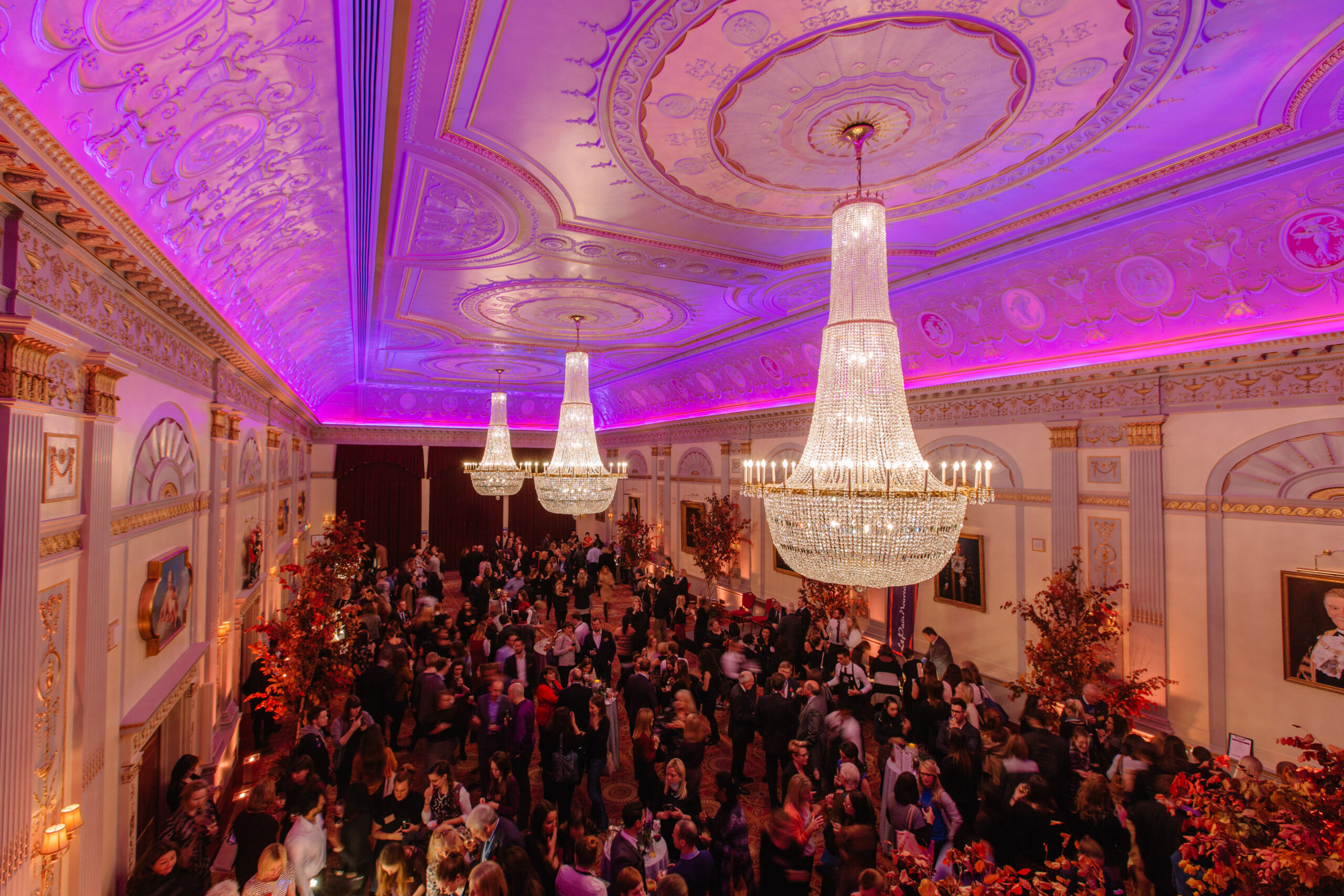
What types of networking events are there?
Networking events come in many forms, each tailored to different industries, goals and audiences.
Marketing Networking Events
Designed for marketing professionals, these events often focus on digital trends, branding strategies and campaign case studies, with opportunities to connect with agencies, freelancers and in-house teams.
Industry-Specific Networking Events
These gatherings cater to professionals within a particular sector – such as finance, tech, hospitality or creative industries – encouraging targeted discussions and relevant connections.
Corporate Networking Events
Often organised by larger organisations, corporate networking events may include keynote speakers, company updates or product launches, followed by structured networking sessions in impressive settings such as RCP London Events or The HAC.

Start-Up & Entrepreneur Meetups
Perfect for founders and small business owners, these events foster collaboration, idea-sharing and potential investment opportunities in a supportive setting.
Speed Networking Events
Similar to speed dating, these events allow participants to have short, timed conversations with multiple attendees, ensuring everyone meets a wide range of contacts.
Alumni Networking Events
Universities and professional associations often host alumni networking events to reconnect graduates and encourage mentorship, recruitment and collaboration.
Community & Local Business Networking
These events focus on bringing together local businesses and professionals to strengthen community ties and encourage regional growth.

Who attends networking events?
Networking events attract a diverse range of professionals. You might meet business owners looking for partnerships, marketing managers seeking new suppliers, HR professionals scouting talent, or entrepreneurs pitching fresh ideas.
Senior executives and decision-makers frequently attend high-profile events hosted in landmark venues such as BMA House or Goldsmiths’ Centre, where the setting reflects the calibre of attendees. Meanwhile, early-career professionals and graduates attend to gain industry insight, mentorship and career opportunities.
The variety of roles present makes networking events dynamic and valuable spaces for meaningful professional interaction.
Benefits of networking events
Networking events offer significant advantages – whether you’re attending as a guest or hosting as an organisation.
Benefits of attending a networking event
Attending a networking event allows you to expand your professional circle and increase your visibility within your industry. You gain exposure to fresh ideas, trends and perspectives that can inspire innovation within your own work.
They also provide direct access to potential clients, collaborators or employers. A single conversation can lead to partnerships, referrals or long-term business relationships. Beyond immediate opportunities, networking events help build confidence and strengthen your communication skills in professional settings.

Benefits of hosting a networking event
Hosting a networking event positions your organisation as a leader within your industry. It enhances brand visibility, demonstrates authority and creates goodwill among attendees.
By curating the guest list and event format, you can attract your target audience directly to your space. Hosting also allows you to facilitate valuable introductions, strengthening your business community while showcasing your company culture. In a city like London, where competition is high, hosting a well-executed networking event can significantly elevate your brand presence.
How to host a successful networking event
Hosting a successful networking event requires thoughtful planning and the right environment. Here’s a step-by-step guide to ensure your event makes a lasting impression.
1. Define your purpose and audience
Clarify the objective of your event. Are you connecting industry peers, generating leads or launching a new service? Identifying your target audience will guide every decision that follows.
2. Choose the right venue
The venue sets the tone. Look for a space that reflects your brand and offers flexibility for both structured presentations and informal conversation. Central London locations are particularly appealing for accessibility.
Explore our versatile London venues to find stylish, well-connected spaces ideal for corporate networking events – from elegant private rooms for intimate gatherings to larger event spaces perfect for panel discussions and drinks receptions.
3. Plan the format
Decide whether your event will include guest speakers, breakout sessions, or simply open networking. A loose structure often works best, allowing guests to mingle naturally while still benefiting from a clear agenda.
4. Organise catering and refreshments
Light bites and drinks encourage guests to relax and stay longer. Consider canapés, sharing platters or a drinks reception format that keeps the atmosphere informal yet professional.
5. Promote effectively
Use LinkedIn, email marketing and professional networks to invite guests. Clear communication about the event’s purpose and expected audience will attract the right attendees.
6. Facilitate introductions
As the host, actively introduce guests to one another. Ice-breakers, name badges and subtle guidance can help spark meaningful conversations.
7. Follow up
After the event, share a thank-you message or recap. Encouraging continued communication reinforces the value of the connections made.
Networking events are powerful tools for building relationships, sharing knowledge and driving business growth. Whether attending to expand your professional circle or hosting to strengthen your brand presence, these gatherings offer lasting value when thoughtfully executed.
If you’re planning your next professional event, explore our London venue spaces and get in touch to see where we can help pair you with the perfect venue for your next event!